Chrome may be the default browser on Android, but more people are trying this instead
Technology · July 15, 2026

Apple discontinued the Mac Pro earlier this year, and it’s not hard to imagine why: the flagship computer was simply too high-end and too expensive for its own good. As if to demonstrate this, Apple launched the budget MacBook Neo at almost the same time, and it proved a huge hit. Public judgment doesn’t get much clearer than that.
Given this scenario, it’s tempting to wonder why Apple is charging full steam ahead with the iPhone Ultra. Like the Mac Pro, this foldable phone is set to raise Apple’s price ceiling considerably at a time when many customers are having to reassess their outgoings. Foldable phones remain a niche market, and the iPhone Ultra risks following in the footsteps of the Mac Pro and other top-shelf Apple products that failed to move the needle, including the Apple Watch Edition, iMac Pro, and Vision Pro.
I’m worried, in short, that the iPhone Ultra could end up being dead on arrival. It feels like a risky move at the best of times, but with the Mac Pro’s demise fresh in everyone’s minds, is Apple dooming its device before it even arrives?
There’s a common misconception that Apple overprices products to gouge gullible fans out of their hard-earned cash. And sure, Apple products can tend to be on the pricey side. But with reports showing that its devices last far longer than rivals year after year, it’s hard to believe that Apple is ripping off its customers.
Nevertheless, it remains true that Apple is not afraid to charge an arm and a leg to welcome you into its walled garden. The company’s philosophy is not to be the first but to be the best, and that sometimes means going all out with a premium offering that boasts all the bells and whistles.
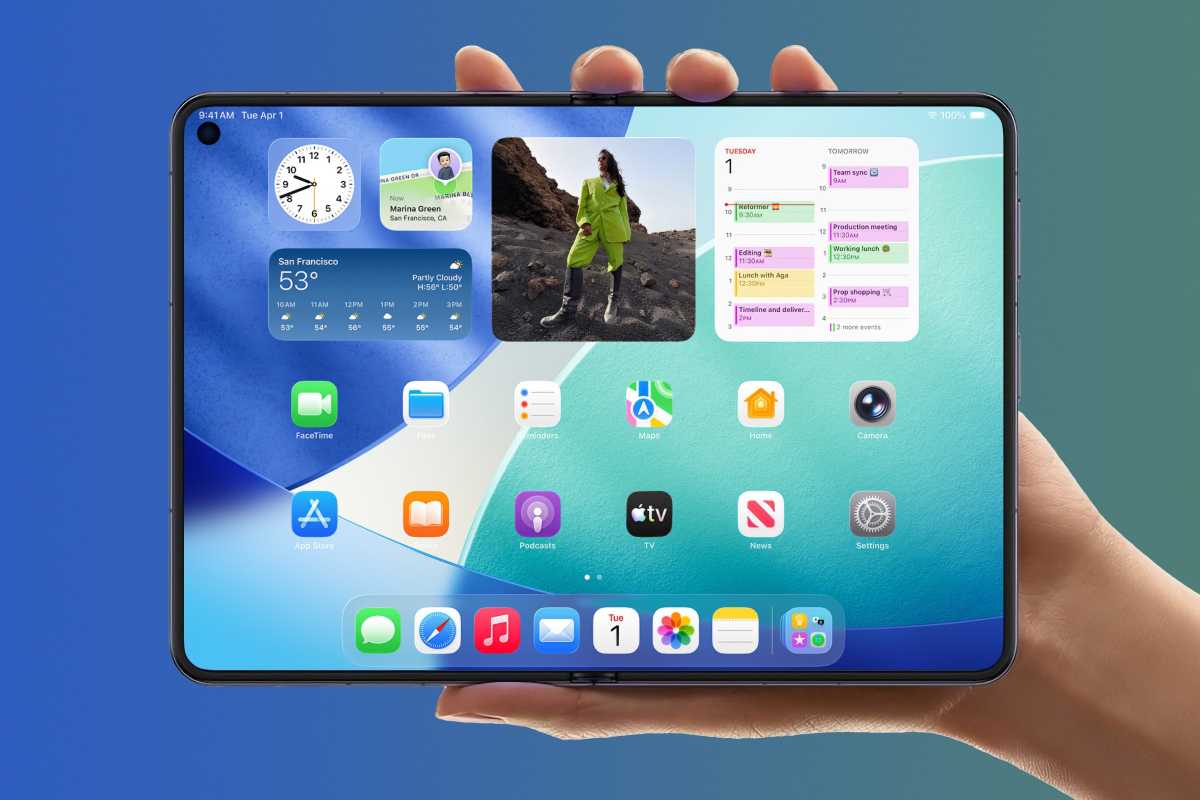
The iPhone Ultra will be a unique device with a sky-high price tag.
Foundry
The iPhone Ultra will undoubtedly fall into this category. For a start, you can’t make a foldable smartphone without incurring major costs. This is a sector that is both niche and cutting edge, and no one has really worked out how to perfect the form factor yet, never mind make products that are remotely affordable. Throw in Apple’s tendency to include superior features in an effort to improve the experience and the iPhone Ultra is well on its way to expensive territory.
Indeed, that’s exactly what Bloomberg reporter Mark Gurman says we should expect, with the journalist predicting the device will “cross the $2,000 threshold” when it’s launched later this year.
Interestingly, it’s not clear if Gurman meant the iPhone Ultra could be configured to cost over $2,000 or start at that point. If we assume its initial, baseline cost is $2,000, you could be looking at a price of around $2,800 if you outfit it with 2TB of storage. That’s based on the costs involved with an iPhone 17 Pro Max, the current top-end iPhone.
Regardless, $2,000 is almost twice the price of the iPhone 17 Pro Max. That likely won’t be an easy pill to swallow, even for seasoned Apple fans.
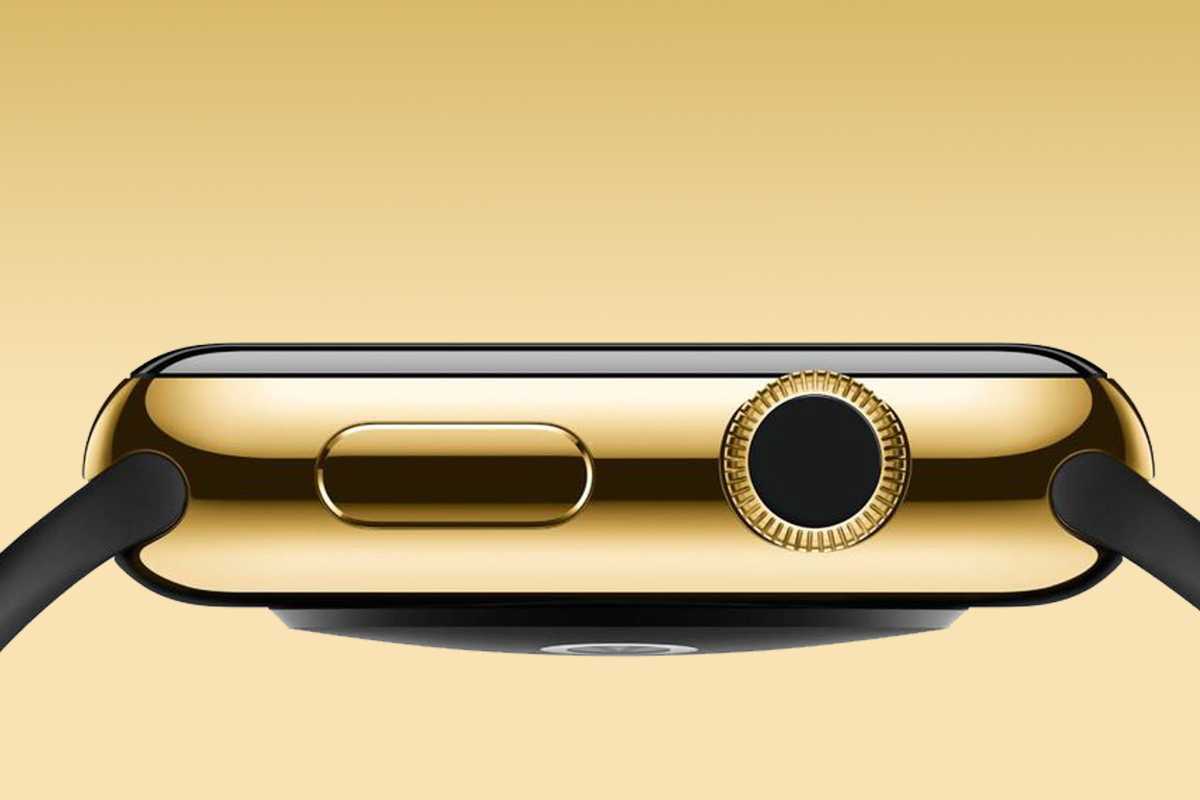
The solid-gold Apple Watch was a gimmick that put Apple’s wearable in the wrong light.
Foundry
Apple’s previous experiences at the ultra-high end of the market have not been encouraging. The past is littered with failures: not only is there the recently deceased Mac Pro, but the Vision Pro is another clear example. Going a little further back, the $10,000 Apple Watch Edition was so unappealing to users that it almost derailed Apple’s wearable entirely. It was only by reorienting the device towards health and fitness that Apple was able to turn it into a success.
Yet despite all these ill omens, Apple keeps trying to convince its users that sacrificing their future financial stability on a luxury product is exactly what they should be doing. Not only is that past form concerning, but it runs counter to the evidence that’s right in front of Apple’s eyes.
There’s an alternative to all this premium posturing: make affordable products that most people want to buy.
This was Apple’s founding vision and the one that motivated Steve Jobs and Steve Wozniak in all their work. Indeed, Jobs told biographer Walter Isaacson: “I love it when you can bring really great design and simple capability to something that doesn’t cost much… It was the original vision for Apple. That’s what we tried to do with the first Mac. That’s what we did with the iPod.”
To counter claims that Apple was overpricing its products, Jobs also pointed to their quality and said that getting rivals’ devices up to Apple’s standards often meant paying more than if you’d just stuck with Apple in the first place.
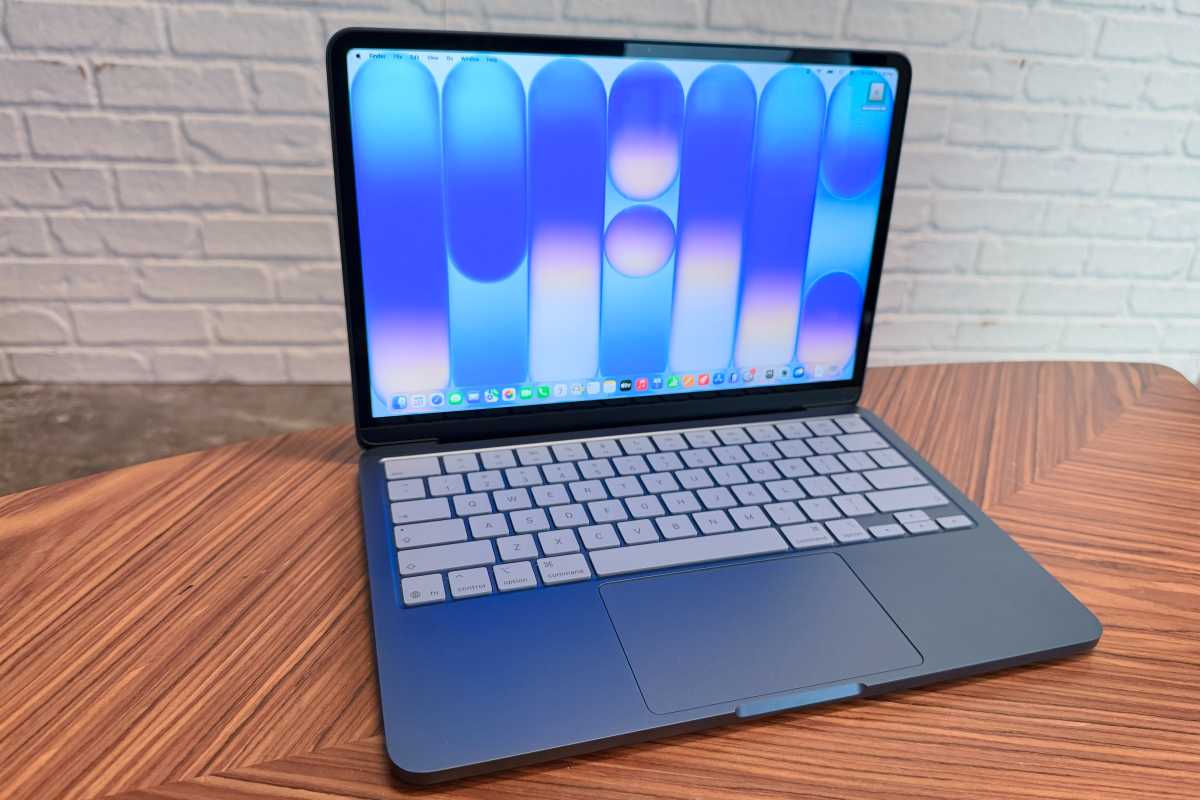
And this isn’t all theoretical; just look at the MacBook Neo. It’s brought a level of power and quality to the entry-level side of the market that has been entirely absent for years. Pay $599 to a PC manufacturer, meanwhile, and you’ll get a plastic laptop with a nerfed version of Windows and a chip that runs hot, loud and slow.
Foundry
Despite some concerned pundits wondering aloud about what kind of Mac you’d get for $599, the MacBook Neo has garnered near-universal acclaim and has been flying off the shelves. Indeed, there are reports that Apple is selling so many that it might run out of A18 Pro chips before the A19 version of the laptop is ready.
In other words, Apple has proof positive that making an insanely great, affordable product can lead to both critical and commercial success. The contrast with the Mac Pro, which was discontinued a mere 15 days after the MacBook Neo went on sale, is stark and unmistakable.
By looking at both the Mac Pro and the MacBook Neo, we can see two diverging paths for Apple. The former–paved with other stuttering efforts, most recently the Vision Pro–presents a risky, high-cost road for customers. The latter lowers the barrier to entry and has proven to be remarkably successful. I’m not saying that it’s cut and dried or that things always play out this way, but the contrasting fortunes of the Mac Pro and the MacBook Neo provide a helpfully cautionary tale.
None of this is proof that the iPhone Ultra’s failure is pre-ordained. While I’m not expecting it to sell in record numbers, perhaps Apple is confident that it will move enough units to justify the cost, effort and research.
For Apple’s own sake, you’d hope that it knows what it’s doing, given that plans for the iPhone Ultra appear to be going ahead. But the trail of very public misfires, and the obvious success of the MacBook Neo, hasn’t settled my nerves.