Chrome may be the default browser on Android, but more people are trying this instead
Technology · July 15, 2026

Apple is a premium company, and that means its prices are tied strongly to its own self-image. High prices make products “aspirational,” or so the crack marketing team would have you believe, and that’s something Apple has built its brand around.
When the company announced massive price hikes across the board, I was more worried than you might think. For a company that trades in premium optics and where prices rarely go down (if ever), the unstated implication was that these increased costs were here to stay for the foreseeable future.
But there’s another concerning aspect to this fiscal fiasco, and that’s the timing. With several price-sensitive products either just out the door or looming on the horizon, Apple can ill afford to jack up prices in this way. Doing so risks compromising their whole raison d’être and making them a much tougher sell for consumers who are already pinching pennies.
Given the astonishing constraints on component supply, Apple was under tremendous pressure to revise its prices upwards, and it’s far from the only company doing so right now. But its move could end up condemning its latest products before they’ve even had a chance to shine–that’s a massive gamble for the Cupertino-based company.
I’ve argued before that the Apple Tax is a myth; when you compare rival products so that they’re actually feature-comparable, Apple products stand up remarkably well. There’s a difference between expensive and overpriced, and while Apple devices are often the former, they are rarely the latter.
The MacBook Neo was a key demonstrator of this idea. When its regular starting price was $599, it represented phenomenal value for money. Try to configure a Windows laptop with the same budget, and you’d get a hopelessly inferior device.
At the time the MacBook Neo was released, I started to wonder if this heralded a new era for Apple, one where it was less averse to competing at the entry-level end of the market. Coupled with the Mac mini, the iPhone 16e and the Apple Watch SE, you could find budget options right across Apple’s lineup.
But in one fell swoop, Apple’s price rises have undone all of that progress and halted the MacBook Neo’s momentum a mere three months after it got underway.
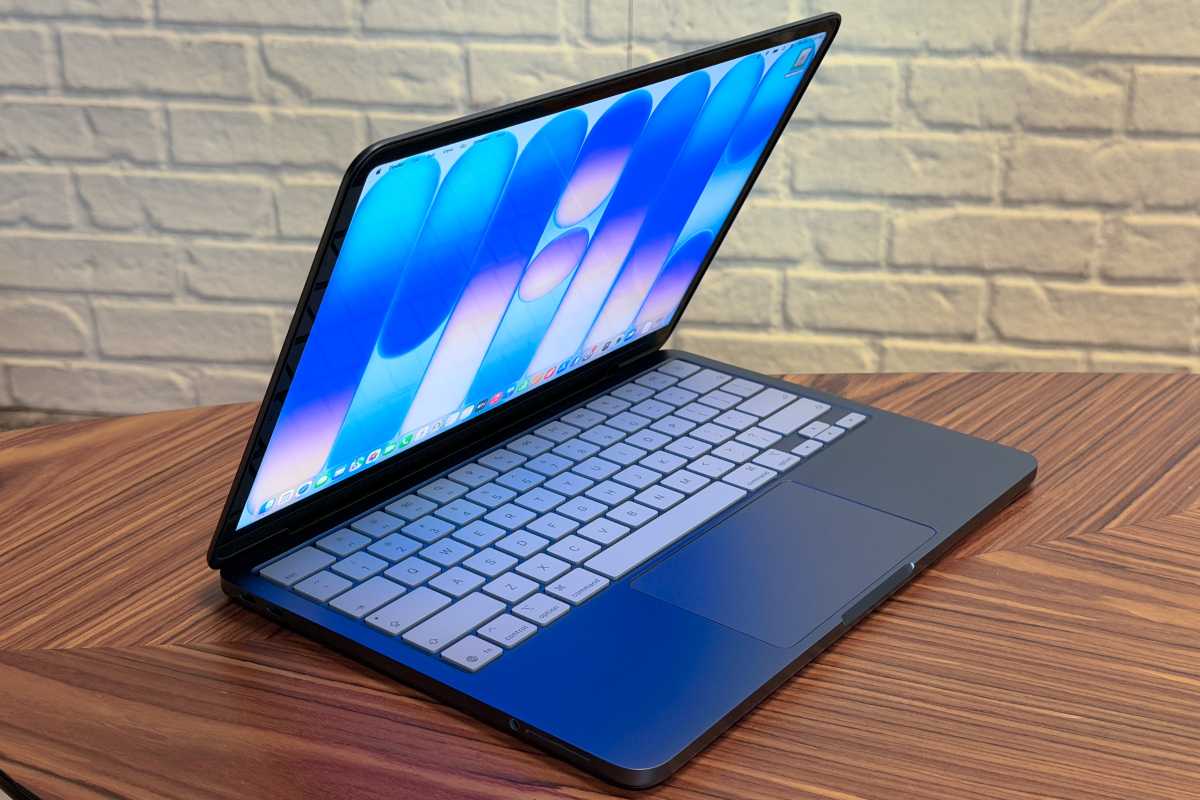
The $100 price hike effectively muted all the talk that was about the MacBook Neo.
Foundry
The MacBook Neo’s $100 jump is an increase of 17 percent, so it’s far from the hardest hit Apple product, both in terms of percentage points and raw cash. But it might be the worst affected when you consider that its entire purpose was to compete at a budget price point, convert Windows and Chromebook users, and dispel the idea that Apple only knows how to do premium.
Now, the MacBook Neo has lost a significant edge against the competition and made it a lot easier for mediocre Windows laptops to justify themselves to potential customers.
The fact that this has happened so soon after the Neo’s debut just makes the pill even more bitter All that hope and optimism has been dashed before it ever got a chance to settle in. Far from the “new normal,” the MacBook Neo’s $599 pricing just feels like a freak blip, a strange dream that drifts away in the mournful morning haze.
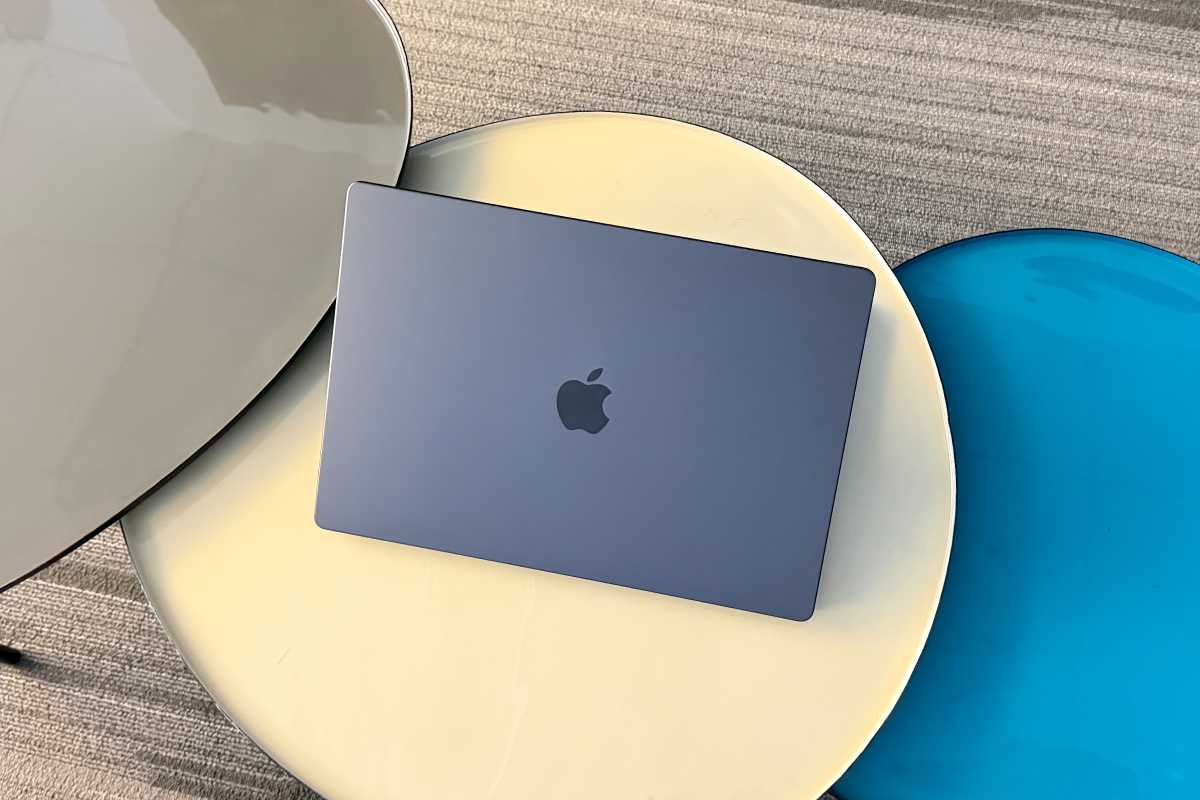
If the MacBook Neo is getting screwed over at one end of the spectrum, then there’s equally unpalatable news for flagship Macs. I’m thinking in particular of the upcoming MacBook Ultra.
Foundry
As the name implies, this device is intended to sit right at the top end of Apple’s laptop roster, and it’ll come with a spec sheet to match. Expect an OLED display, touchscreen capabilities, a slimline design, ultra-powerful chips, and more. It’s a statement Mac for those times when the MacBook Pro just doesn’t cut it.
Unfortunately, it’s also going to be a major casualty of Apple’s price rises. While low-end Macs like the MacBook Neo were robbed of their competitive edge, pricier Macs were affected just as badly.
Indeed, the Mac Studio was handed the largest increase, both in terms of its dollar price and the percentage increase, in the entire Mac collection. The M3 Ultra model was the single worst-hit Mac model available, with its starting price rising a shocking $1,300 from $3,999 to $5,299. That translates to a jump of 33 percent. The M4 Max model, meanwhile, saw the second-highest jump in terms of cash, up $500 from $1,999 to $2,499. That’s a step up of 25 percent.
A fully kitted-out 16-inch MacBook Pro, meanwhile, will now set you back over $10,000 ($10,149 to be precise, not including software or a power adapter). To my knowledge, that’s the first time a MacBook Pro has ever crossed the $10,000 threshold.
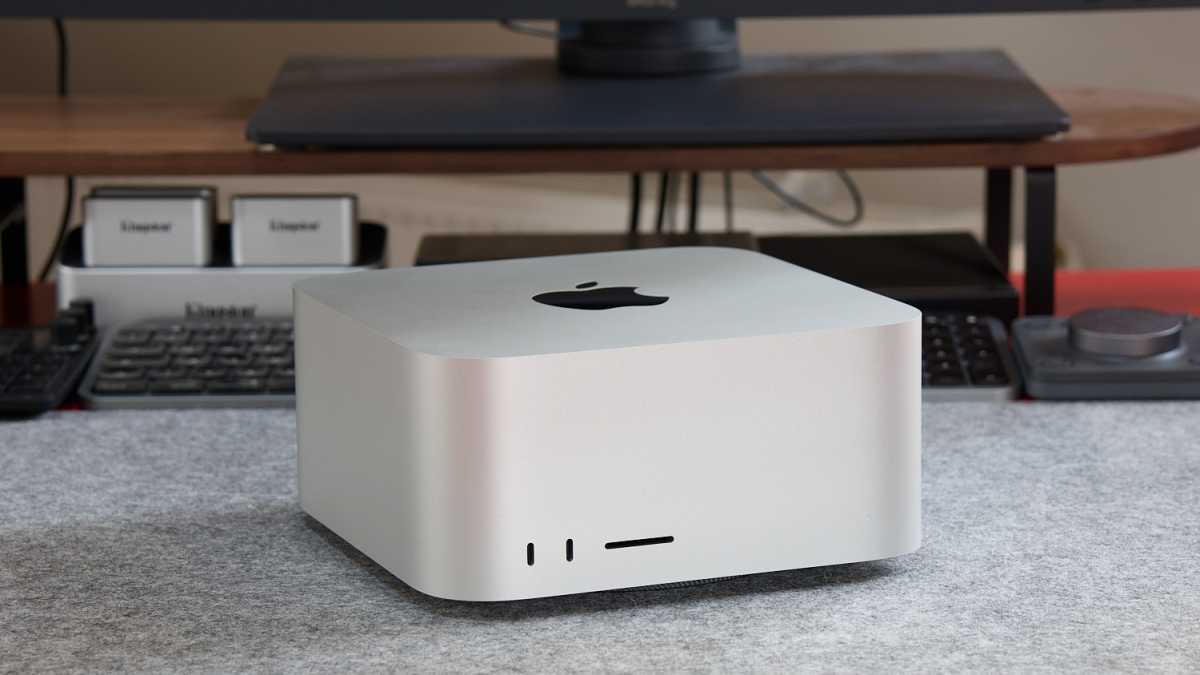
The supply shortages that are at the root of the price hikes also restrict the memory configurations available for the Mac Studio.
Thomas Bergbold
In other words, top-of-the-range customers are being absolutely gouged by these price increases, and if you think the MacBook Ultra is going to somehow escape the slaughter, you’re kidding yourself.
Apple’s rivals have been selling touchscreen laptops for years, and this kind of functionality sits at the top of many Mac users’ wishlists. But how is Apple going to carve out a meaningful niche among touchscreen laptops when the only Mac it sells with this feature requires remortgaging your home in order to afford it?
There’s now a real risk that this device is doomed before it’s even been announced, just like the iPhone Ultra, it could end up being dead on arrival.
When Apple finally lifted the lid on the much-delayed Siri AI overhaul at its Worldwide Developers Conference (WWDC) in June, it earned some positive press for its decision to make macOS 27 (the minimum requirement for Siri AI) available on a huge selection of Macs. You can run it on anything back to an M1 Mac from 2020, which is great news for price-conscious buyers.

Older M-series Macs are not able to
support Siri AI features such as expressive voices and more advanced dictation.Foundry
The bad news is that this doesn’t quite apply to every Siri AI feature. At WWDC, Apple’s Craig Federighi explained that “Our most powerful on-device model, and the features it enables–like expressive voices and more advanced dictation–will be coming to our most capable iPhone, iPad and Mac systems.” For the Mac, that means you need an M3 chip or later with 12GB of memory of higher.
And maybe it’s just me, but Federighi’s phrasing strikes me as leaving the door open for other Siri AI features to be similarly device-locked in the future. As Apple expands the capabilities of its most powerful AI model, so the list of features it gatekeeps will surely continue to grow.
Now that a big selection of the products needed to access these demanding features is more expensive, Apple seems to have inadvertently locked some of Siri’s best elements behind a paywall that just got significantly higher.
And we’re not just talking about Macs, of course. Siri is available on a whole assortment of Apple devices, including iPhones, Apple Watches, iPads and Vision Pros. The latter two categories are seeing their prices head skywards, further pushing Siri out of reach for many customers. While iPhones and Apple Watches have escaped harm for now, don’t expect that to last long past September.
This comes at a critical time for Apple. Siri is already scrambling to make up for two years of negative press and frustrating delays. It needs to wow users and make an instant impact. But if you now have to pay even more just to get access to some of its best features, you’ll find its progress blocked by substantial barriers.
I understand why Apple raised prices across the board. If anything, it’s done well not to do so sooner. Apple is a company that prioritizes its juicy margins, and those margins gave it a little leeway to hold out longer than much of its competition.
But things were going to have to change eventually if Apple was to preserve its profitability–with Tim Cook still at the helm, that was never in doubt. The question was when, not if.
While Apple held out as long as it could, the timing of its price increases couldn’t be worse. It risks not only more pain at the pump for Apple’s customers, but could put a real dent in the prospects of its hardware and software, both present and future.
If ever there was a no-win situation, it’s this, for everyone involved.