Where Will Enbridge Stock Be in 3 Years?
Stock · July 15, 2026
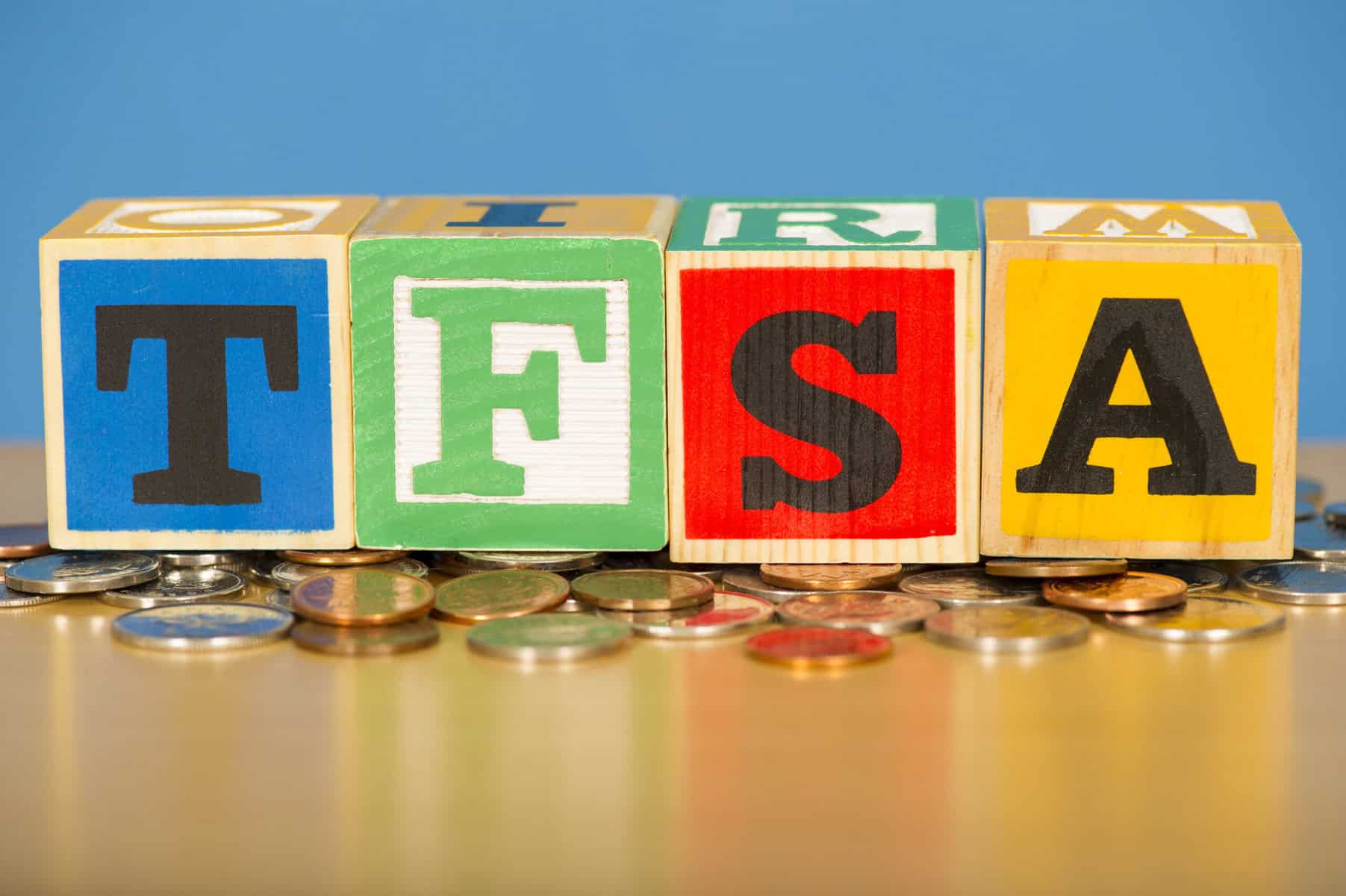
The Tax-Free Savings Account (TFSA) is one of the most powerful investing accounts available to Canadians. Capital gains are tax-free. Interest income is tax-free. Canadian dividends are tax-free. Withdrawals are also completely tax-free, which gives investors tremendous flexibility throughout both the accumulation and retirement phases of life.
There is, however, one small asterisk when it comes to U.S. investments. When you hold U.S. stocks or U.S.-listed exchange-traded funds (ETFs) inside a TFSA, the United States withholds 15% of any dividends before they reach your account. This happens because the U.S. government does not recognize the TFSA as a retirement account under the Canada-U.S. tax treaty.
The good news is that this issue is often overstated. There are several ways to work around it, and in many cases, it is not worth losing sleep over. Here’s what you can do as a Canadian investor.
The most straightforward solution is simply holding U.S. dividend-paying investments inside a Registered Retirement Savings Plan (RRSP) instead. Unlike the TFSA, the RRSP is recognized under the Canada-U.S. tax treaty. As a result, U.S. stocks and many U.S.-listed ETFs held directly inside an RRSP generally avoid the 15% withholding tax altogether.
For investors with both TFSA and RRSP room available, a common approach is to place U.S. dividend-paying investments inside the RRSP while reserving the TFSA for Canadian stocks. You won’t be able to withdraw those dividends without paying taxes, but at least they can be reinvested to compound tax-deferred within the RRSP.
Another option is to focus on U.S. companies that pay little or no dividends. Remember, the withholding tax only applies to dividends. Capital gains remain completely tax-free inside a TFSA. One classic example is Berkshire Hathaway (NYSE:BRK.B).
Rather than paying dividends, the company retains earnings and reinvests them internally. Its business model combines wholly owned operating businesses with a portfolio of investments, while maintaining a substantial cash reserve for future opportunities.
Instead of distributing profits to shareholders, management attempts to compound capital internally. Because there is no dividend, there is no withholding tax to worry about. Investors benefit entirely through potential share-price appreciation, which remains fully sheltered.
The best solution might just be doing nothing. This is because the withholding tax sounds scary until you actually do the math. The S&P 500 currently yields roughly 1.1%. A 15% withholding tax on that yield works out to:
1.1%Ã0.15=0.165%1.1\% \times 0.15 = 0.165\%
In other words, the drag amounts to approximately 0.165% per year. That is not nothing, but it is also not particularly large. Unless you have a very large portfolio or are specifically targeting high-yield U.S. dividend stocks, the impact is often relatively minor.
Most of the long-term return from broad U.S. equity markets has historically come from capital appreciation rather than dividends. And for those capital gains, the TFSA remains incredibly valuable.
The post The TFSA’s Hidden Fine Print When it Comes to U.S. Investments appeared first on The Motley Fool Canada.
Before you buy stock in Berkshire Hathaway, consider this:
The Motley Fool Canada team has identified what they believe are the top 10 TSX stocks for 2026⦠and Berkshire Hathaway wasnât one of them. The 10 stocks that made the cut could potentially produce monster returns in the coming years.
Consider MercadoLibre, which we first recommended on January 8, 2014 … if you invested $1,000 in the âeBay of Latin Americaâ at the time of our recommendation, youâd have over $16,000!*
Now, it’s worth noting Stock Advisor Canada’s total average return is 91%* – a market-crushing outperformance compared to 87%* for the S&P/TSX Composite Index. Don’t miss out on our top 10 stocks, available when you join our mailing list!
Get the 10 stocks instantly* Returns as of June 15th, 2026
More reading
Fool contributor Tony Dong has positions in Berkshire Hathaway. The Motley Fool recommends Berkshire Hathaway. The Motley Fool has a disclosure policy.