
Where Will Enbridge Stock Be in 3 Years?
Stock · July 15, 2026
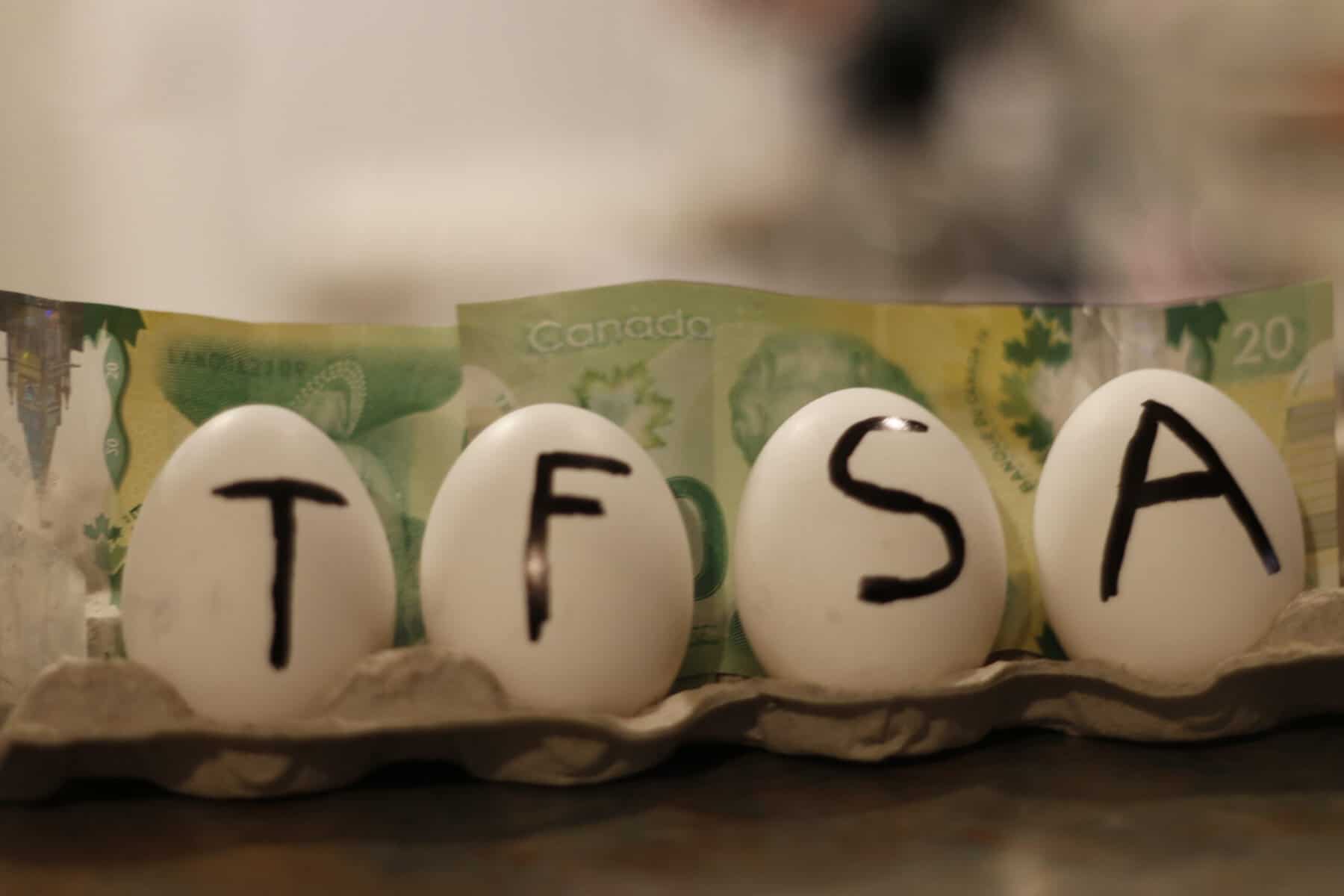
The Tax-Free Savings Account (TFSA) is one of the best long-term savings vehicles available to Canadians. One often-overlooked benefit of the TFSA is that unused contribution room rolls over each year. In 2026, that cumulative contribution number works out to a $109,000 TFSA.
That $109,000 TFSA figure represents the cumulative contribution room available in 2026 for someone eligible to contribute in 2009 when the account launched.
That being said, there are exceptions. Overcontributions or account issues can affect that number. Residency changes eligibility. There are also those who were not old enough to contribute in 2009 but can today.
In other words, that $109,000 TFSA benchmark can vary.
That accumulated contribution room works best when investors choose holdings that can support long-term growth and compounding.
Fortunately, thereâs no shortage of investments on the market to make good use of that contribution room.
Hereâs a look at three of those options to consider owning.
ETFs represent a great starting point for any portfolio. They can offer a broad, diversified approach that caters to both growth- and income-focused investors.
One option to consider is the iShares Core S&P/TSX Capped Composite Index ETF (TSX:XIC). This ETF gives investors exposure to a broad range of Canadian companies across different sectors.
That includes banks, industrials, materials, utilities and telecoms. Thatâs huge for investors, because rather than trying to pick individual winners, the fund lets them own a broad basket.
For investors building toward a $109,000 TFSA, that simplicity provides major appeal. It allows a portfolio to remain simple and diversified while still offering growth and income.
In a TFSA built around the $109,000 benchmark, the iShares Core S&P/TSX Capped Composite Index can function as the foundation of a portfolio. It provides market exposure, diversification, and a simple structure that can be added to over time.
This kind of broad-market exposure is one of the most common building blocks in long-term TFSA investing.
Another option for investors contemplating how to allocate that $109,000 TFSA benchmark is the iShares S&P/TSX 60 Index ETF (TSX:XIU). While the Capped Composite Index mentioned above offers broader market exposure, this ETF focuses on 60 of the largest, most established companies in Canada.
In short, this basket is buying the blue-chip market.
Investors get exposure to the largest and most successful names on the market, across multiple segments. That includes the big bank stocks, energy producers, railways, telecoms and utility stocks.
For newer investors, that simplicity matters. Rather than covering the entire market, this ETF is focused on the larger, more familiar businesses.
For investors chasing that $109,000 TFSA benchmark, this ETF offers an easy way to own Canadaâs top companies.
Wrapping up the trio of picks to allocate that $109,000 TFSA benchmark is the Canadian Imperial Bank of Commerce (TSX:CM). Canadaâs big bank stocks are almost always considered great long-term holdings.
Part of the reason for that is that they offer steady earnings at home and long-term growth potential, and pay out some of the best dividends on the market.
Thatâs a big part of why theyâre so common in longâterm portfolios. In the case of CIBC, that potential is huge.
As of the time of writing, CIBC offers a quarterly dividend with a yield of 2.7%. The bank has also paid that dividend without fail for over a century.
In a TFSA, that dividend income becomes even more attractive because withdrawals stay taxâfree. Additionally, investors can reinvest those dividends, allowing any eventual income to continue growing.
Dividend-paying banks like CIBC often play a key role in TFSA portfolios focused on steady, long-term compounding.
The $109,000 TFSA benchmark is a guide, not a scorecard. The important theme is picking the right investments to power that portfolio.
No stock is without risk, and that includes defensive picks and broad ETFs like the ones mentioned above. As part of a larger TFSA portfolio, these picks can provide growth and income in addition to some defensive appeal.
In my opinion, one or all of the above would be great additions to any well-diversified TFSA portfolio.
Buy them, hold them, and watch your portfolio grow.
The post The $109,000 TFSA Benchmark: Hereâs How to See Where You Stand appeared first on The Motley Fool Canada.
Before you buy stock in Canadian Imperial Bank Of Commerce, consider this:
The Motley Fool Canada team has identified what they believe are the top 10 TSX stocks for 2026⦠and Canadian Imperial Bank Of Commerce wasnât one of them. The 10 stocks that made the cut could potentially produce monster returns in the coming years.
Consider MercadoLibre, which we first recommended on January 8, 2014 … if you invested $1,000 in the âeBay of Latin Americaâ at the time of our recommendation, youâd have over $16,000!*
Now, it’s worth noting Stock Advisor Canada’s total average return is 91%* – a market-crushing outperformance compared to 87%* for the S&P/TSX Composite Index. Don’t miss out on our top 10 stocks, available when you join our mailing list!
Get the 10 stocks instantly* Returns as of June 15th, 2026
More reading
Fool contributor Demetris Afxentiou has no position in any of the stocks mentioned. The Motley Fool has no position in any of the stocks mentioned. The Motley Fool has a disclosure policy.