
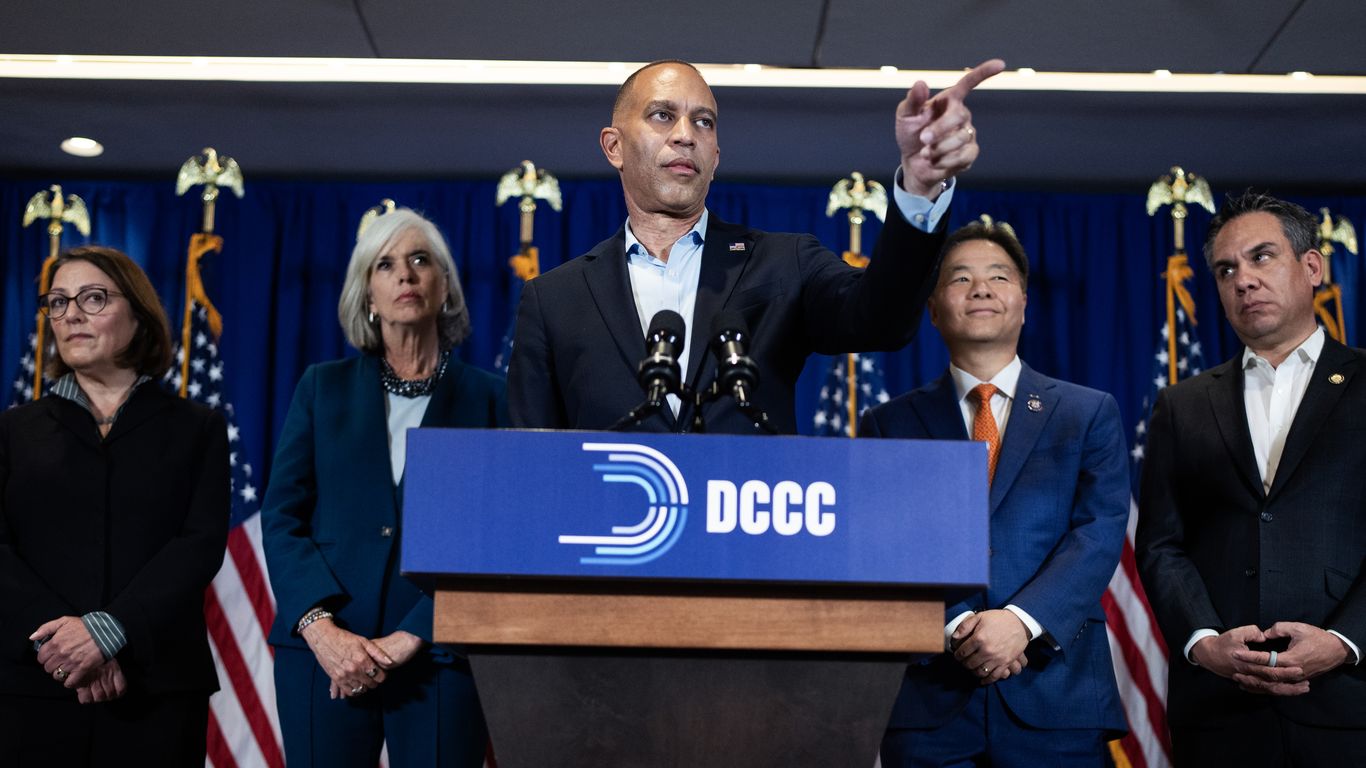
Bernie Sanders lost the fight in 2016. A decade later, he won the war.
Politics · November 5, 2026
Navigating the global trading landscape requires a clear understanding of how financial regulation protects your capital, ensures market integrity, and dictates platform operations. Whether you are executing equities trades on the NYSE, analyzing broad market index movements via the S&P 500 (SPX), or evaluating proprietary trading firms, regulatory oversight is your primary line of defense against fraud and systemic failure.
Different jurisdictions enforce vastly different standards. A firm operating legally under one framework may offer significantly fewer protections than one registered with top-tier regulators. To safeguard your trading capital, ask these seven essential questions before committing funds to any financial entity.
The first step in due diligence is identifying the exact government body or independent authority responsible for supervising the firm. True regulatory oversight involves strict compliance audits, minimum capital requirements, and active enforcement powers.
In the United States, primary oversight falls to the Securities and Exchange Commission (SEC) and the Commodity Futures Trading Commission (CFTC), supported by self-regulatory organizations like the Financial Industry Regulatory Authority (FINRA). In contrast, the United Kingdom relies on the Financial Conduct Authority (FCA), Canada uses the Canadian Investment Regulatory Organization (CIRO), and Australia operates under the Australian Securities and Investments Commission (ASIC). Always verify registration directly on the regulator's official register rather than relying on website badges.
One of the core principles of financial regulation is the strict segregation of client assets from operational funds. In a regulated environment, brokers must hold customer money in designated trust accounts at approved banking institutions.
This structure prevents firms from using client capital for their own operational expenses, hedging strategies, or corporate investments. If a regulated brokerage faces insolvency, segregated funds remain isolated from general corporate creditors, allowing for an orderly return of capital to account holders.
Even with segregation, structural failures can occur. Understanding the local statutory safety net helps you gauge your exposure if a firm becomes insolvent.
Regulatory frameworks differ sharply on risk controls such as maximum allowable leverage, negative balance protection, and mandatory margin close-out levels. Regulators in Europe, Australia, and the UK have historically capped retail leverage on major currency pairs at 30:1, with lower limits for more volatile assets.
In the United States, CFTC rules cap retail forex leverage at 50:1 on major currencies, while equity day trading is governed by Pattern Day Trader (PDT) rules requiring a $25,000 minimum equity balance. Understanding these mechanics prevents unexpected account liquidations during volatile market conditions.
Firms frequently register in off-shore or light-touch jurisdictions while marketing services globally. While offshore entities may offer higher leverage or faster onboarding, they frequently lack meaningful dispute resolution mechanisms.
If a dispute arises regarding order execution, slippage, or fund withdrawals, your legal recourse depends on the domicile specified in the customer agreement. Resolving a contract dispute through local US courts or FINRA arbitration is significantly more accessible than pursuing litigation in an unregulated offshore territory.
Financial regulation requires firms to provide transparent disclosures regarding their order routing practices and revenue sources. Regulators assess whether a firm acts as a direct counterparty (market maker) or routes orders directly to external execution venues.
In US equity markets, brokers must disclose payment for order flow (PFOF) under SEC rules. Understanding whether your platform earns money via bid-ask spreads, fixed commissions, or order flow routing allows you to evaluate potential execution conflicts fairly.
A valid license tells only part of the story. A firm may be officially registered while carrying a history of regulatory fines, disciplinary actions, or legal settlements.
Official databases such as FINRA BrokerCheck in the US or the FCA Register in the UK publish public records of disciplinary proceedings. Examining these filings exposes patterns of non-compliance, misleading advertising, or unauthorized product offerings before you deposit funds.
When assessing where to trade, compare key regulatory safeguards across major financial hubs:
| Jurisdiction | Primary Regulator | Investor Protection Fund | Key Retail Rule Example |
|---|---|---|---|
| United States | SEC / CFTC / FINRA | SIPC (Up to $500k) | Pattern Day Trader (PDT) threshold ($25k) |
| United Kingdom | FCA | FSCS (Up to £85k) | Leverage caps & negative balance protection |
| Canada | CIRO | CIPF (Up to CAD $1m) | Strict regional registration requirements |
| Australia | ASIC | Strict Client Money Rules | Leverage caps on retail OTC derivatives |
Relying solely on marketing claims exposes traders to significant operational and financial risks. Key risks include:
Perform routine checks by verifying domain names against official regulatory registers, reading terms of service carefully, and confirming that client capital is held in top-tier banking institutions within trusted legal jurisdictions.
Financial regulation provides the legal infrastructure that protects market participants from fraud, insolvency, and predatory practices. By asking these seven core questions, traders can accurately evaluate the safety, compliance standards, and operational integrity of any trading platform or financial service provider.




Why this matters to US investors: Why this matters to US investors: Operating within the US financial ecosystem means your equity and options accounts fall under SEC and FINRA oversight, providing SIPC asset protection and standardized execution disclosures.