Tensions over pesticide use erupted in an Oval Office meeting last week, as a top agriculture lobbyist warned President Trump that an executive order calling for pest-killing alternatives would cost Trump support from farming interests.
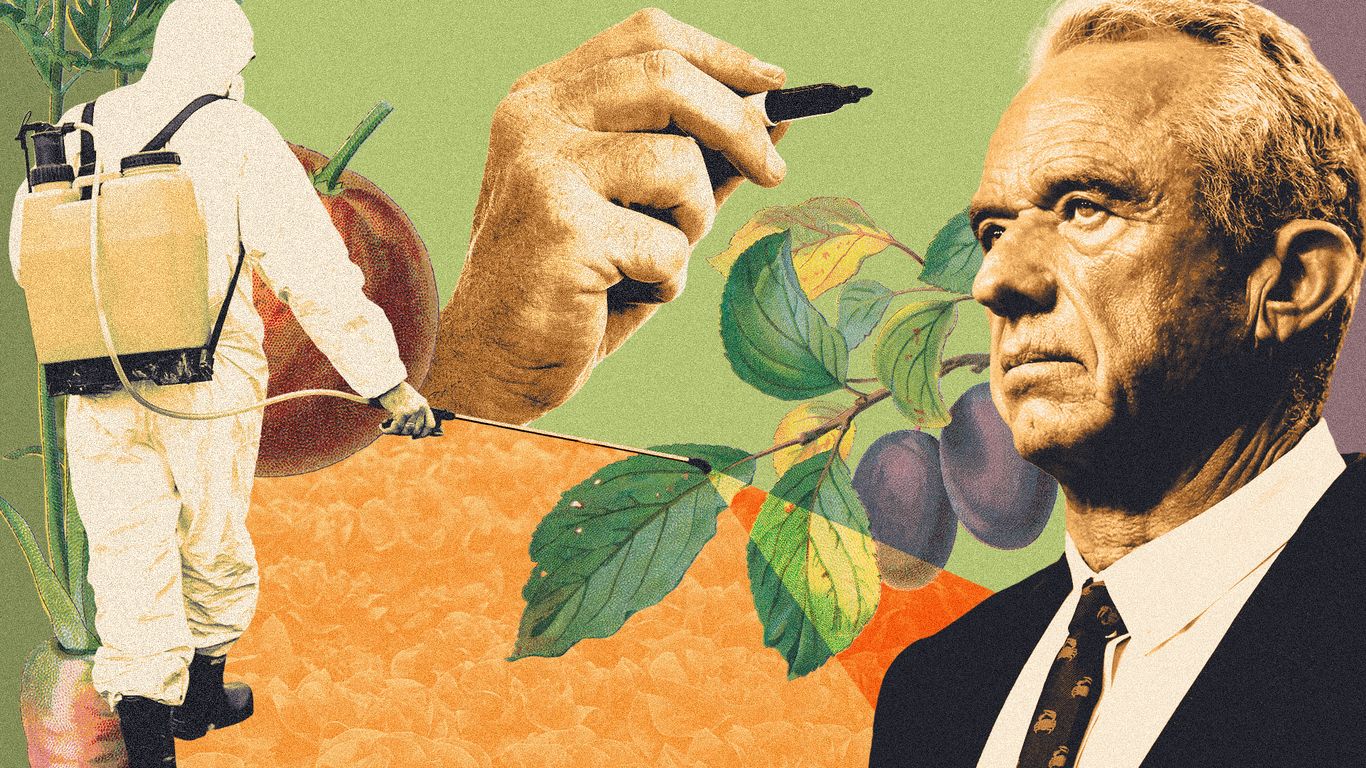
Why it matters: The confrontation, which one attendee called "shocking," exposed a sharp fault line in Trump's coalition — the push by Robert F. Kennedy Jr.'s MAHA movement to reduce conventional pesticides vs. farming interests determined to preserve them.
- Both sides see the debate as existential: MAHA argues pesticides are making Americans sick, while the agricultural industry says restricting their use would raise food prices and cost farmers billions of dollars.
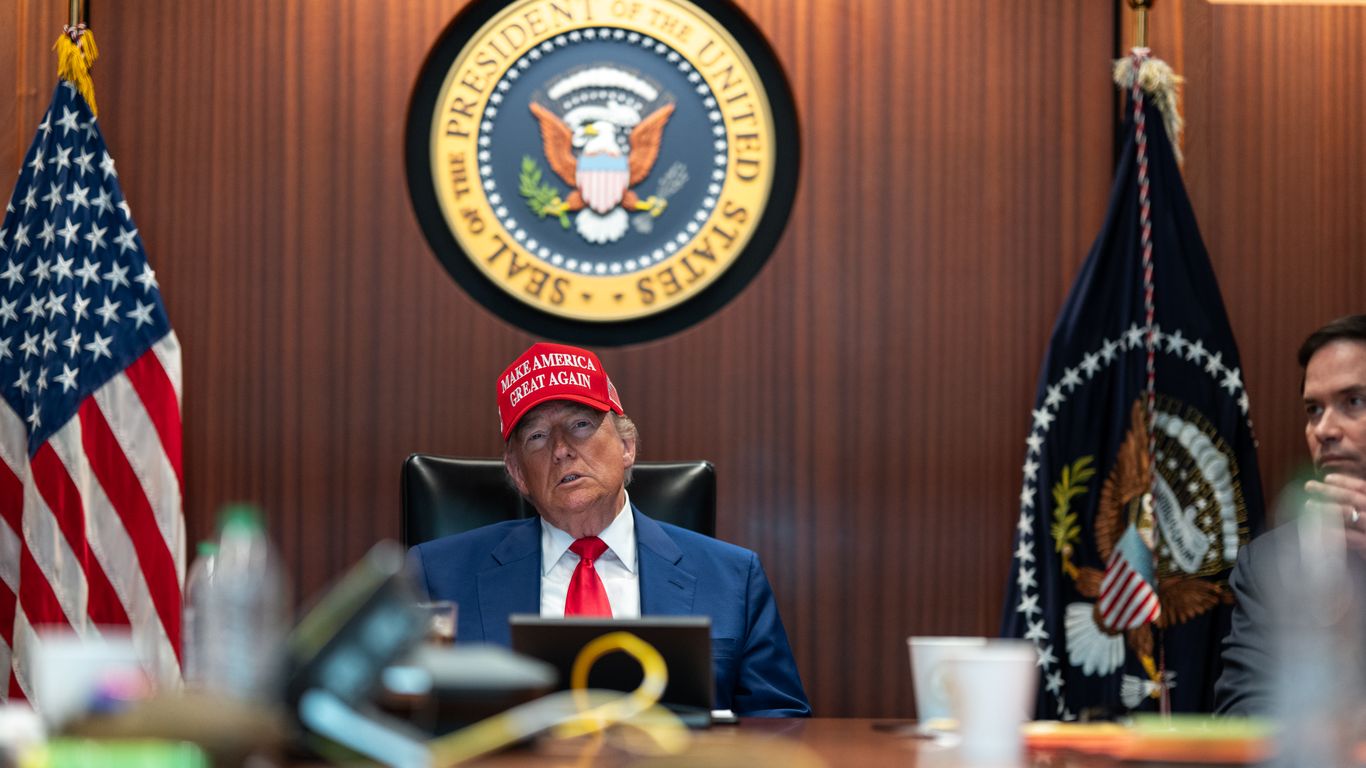
Zoom in: The long-running fight came to a head during Thursday's tense meeting in the Oval Office.
- Trump, HHS Secretary Kennedy, Agriculture Secretary Brooke Rollins and American Farm Bureau Federation President Zippy Duvall met to discuss a pesticide-focused executive order that Trump would sign later that day.
- White House aides also joined, as did Kennedy Chief of Staff Stefanie Spear.
- Kennedy's team was already on edge over a Supreme Court ruling earlier that day that handed the pesticide industry a major legal victory by making it harder to sue manufacturers over alleged health risks.
Kennedy told Trump the court's ruling was a major setback for the MAHA movement — and argued that the executive order to promote alternatives to conventional pesticides in the food supply and study their effects would help offset the ruling, according to three people familiar with what transpired.
Advertisement
- Jonathan Lundgren, a South Dakota farmer and former USDA official who also attended the meeting, also urged Trump to sign the executive order, arguing that pesticides were harming farmers' health.
- "One of the take-home messages I really wanted [Trump] to understand is that the farmers were sick right now," Lundgren recounted to Axios. "We're literally killing our farmers with these food systems."
- Several other farmers at the meeting echoed Lundgren's support for regenerative agriculture, a farming approach focused on improving soil health and reducing reliance on pesicides.
Duvall, whose organization represents more than 5 million farming and ranching members, was adamant that Trump not sign the order, warning that doing so could cost him the support of farming interests. He also praised the Supreme Court's ruling that day.
- Lundgren said Duvall's decision to forcefully confront Trump was "shocking," and that the president appeared concerned and "wanted to understand why Zippy was so worried."
- Duvall said he was concerned the order would undermine Americans' confidence in food safety.
Trump had been widely expected to sign the order that afternoon. Suddenly, that wasn't so certain.
What followed was a clash between Kennedy's team and Duvall, according to three people familiar with what happened.
- The most heated exchange took place between Duvall and Kennedy deputy Calley Means, who told Duvall it was clear he hadn't read the executive order.
- "It was intense in there," Lundgren recalled. "They were arguing. It was back and forth."
Trump turned to aides in the room and asked what he should do.
Advertisement
- Rollins, who has publicly defended glyphosate and other conventional pesticides, urged Trump to sign the order.
After getting more feedback, Trump signed it. Duvall then said he'd support it.
- The farming representatives later joined Trump, Kennedy and Rollins for dinner on the Rose Garden patio.
What they're saying: Mike Tomko, an American Farm Bureau Federation spokesperson, disputed the idea Duvall wasn't in favor of exploring pesticide alternatives. He said Duvall's concerns about the executive order centered on the "insinuation that our food supply is not safe."
- White House spokesperson Kush Desai didn't dispute the details Axios learned about the Oval Office meeting, adding that Trump "listens to a variety of opinions from many subject experts to inform his decision-making."
- The HHS didn't respond to a request for comment.
- An Agriculture Department spokesperson told Axios, "We don't comment on private meetings with the president, on or off the record. It's unfortunate that others do."