JD Vance slams GOP governor’s call for immigration reform as ‘morally and electorally disastrous’
Politics · November 23, 2026
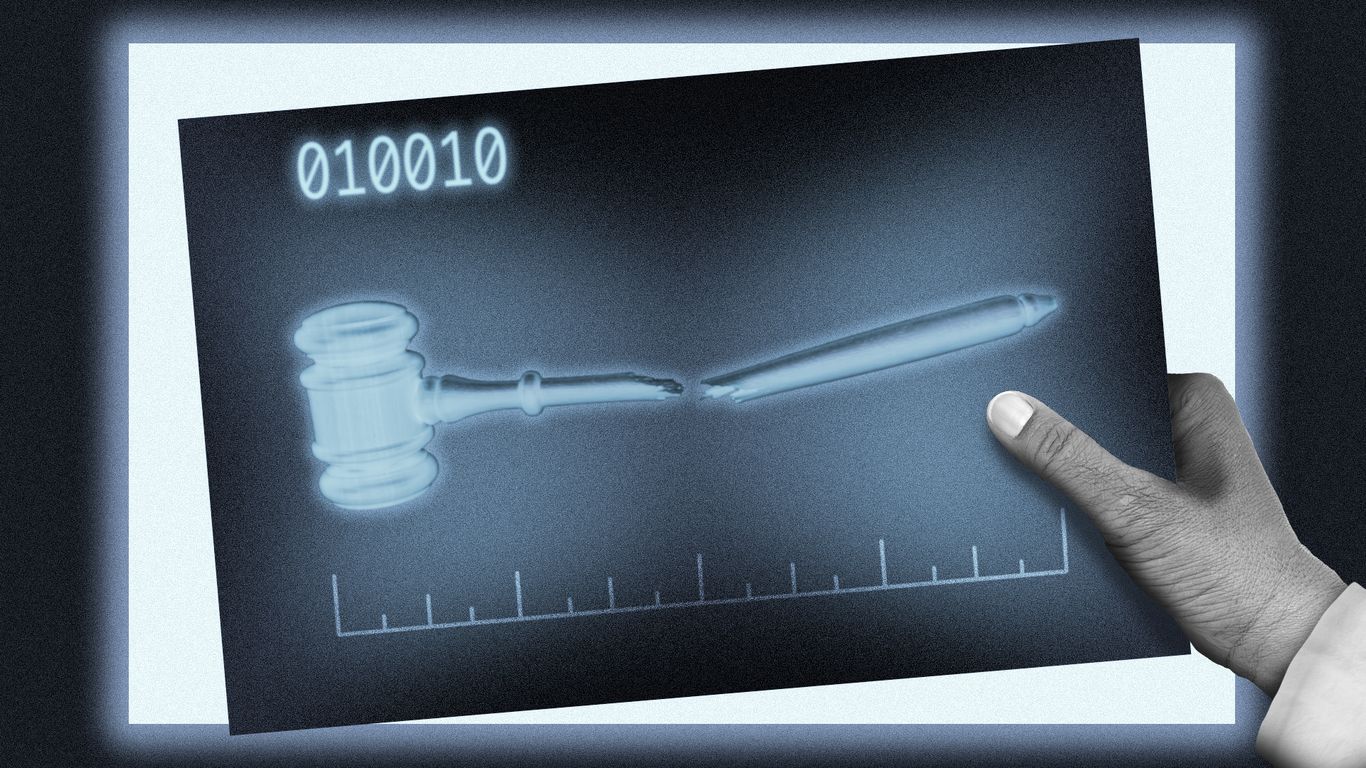
AI could put doctors who disagree with it in greater jeopardy of losing a malpractice suit, according to researchers who have tested some legal scenarios with mock juries.Why it matters: The public may still be wary about how AI is used in a hospital or doctor's office, but there's also a baked-in assumption that it's never wrong.That can put physicians in a bind when they disagree with an algorithm that flags an abnormality.Some may opt to order costly, possibly unneeded tests if they think it reduces their legal liability.Driving the news: Researchers are using simulated malpractice cases to examine how much AI influences the perception of whether a doctor exercised "duty of care" in treating a patient.The implications are significant: AI systems are used extensively to analyze medical images and improve the accuracy of diagnoses, and demand for tests is rising.
But the systems invariably make mistakes.Experts say there are few established legal precedents for how AI might change the nature of malpractice liability in a field like radiology.Physicians are demanding more protections.